
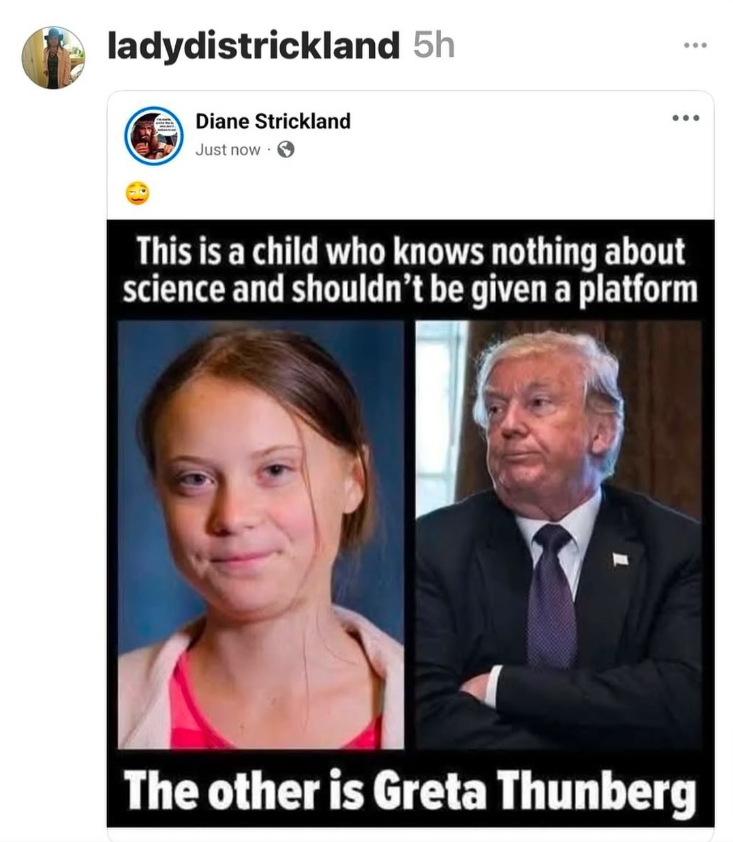
MEMES THAT MADE ME LAUGH TODAY 12-27






 Big Education Ape: HAPPY WINTER SOLSTICE 2024: THE SHORTEST DAY, THE LONGEST NIGHT, AND THE BRIGHTEST CELEBRATIONS https://bigeducationape.blogspot.com/2024/12/happy-winter-solstice-2024-shortest-day.html
MEMES THAT MADE ME LAUGH TODAY 12-27
Big Education Ape: HAPPY WINTER SOLSTICE 2024: THE SHORTEST DAY, THE LONGEST NIGHT, AND THE BRIGHTEST CELEBRATIONS https://bigeducationape.blogspot.com/2024/12/happy-winter-solstice-2024-shortest-day.html


HAPPY HAIRY HOLIDAYS
An overview of 10 different winter celebrations around the world, including Boxing Day, Chinese New Year, Christmas, Diwali, Hanukkah, Kwanzaa, Las Posadas, St. Lucia Day, Three Kings Day, and Winter Solstice.
- Boxing Day is a holiday celebrated on December 26th in the UK and former British colonies, with origins in giving gifts and charitable donations to servants and the less fortunate.
- Chinese New Year is celebrated based on the traditional Chinese calendar, with each new year marked by a different zodiac animal. It is a time for family gatherings, honoring ancestors, and eating traditional dishes.
- Christmas is a Christian celebration of the birth of Jesus, but has also become a secular family holiday observed by both Christians and non-Christians. It involves decorating trees, sharing meals, waiting for Santa, and exchanging gifts.
- Diwali is a five-day festival of lights celebrated by Hindus, Sikhs, and Jains, commemorating the triumph of good over evil and light over darkness.
- Hanukkah is the eight-day Jewish festival of lights that commemorates the rededication of the Second Temple in Jerusalem.
- Kwanzaa is a seven-day African-American festival that celebrates community, family, and culture, with seven principles and symbols.
- Las Posadas is a Christmas tradition in Mexico celebrating the nine-day journey of Mary and Joseph to Bethlehem, reenacted through processions and celebrations.
- St. Lucia Day is a festival of lights celebrated in Scandinavia and Italy, commemorating the early-4th-century virgin martyr St. Lucy.
- Three Kings Day celebrates the biblical story of the Three Kings visiting baby Jesus, celebrated on January 6th.
- The Winter Solstice marks the official start of winter, with ancient pagan celebrations of the Earth's rebirth and renewal.
A Look Around the World | Winter Celebrations | McCormick Center for Early Childhood Leadership https://mccormickcenter.nl.edu/library/winter-celebrations/


THE POLITICAL GENERATION GAP
WHAT'S NEXT?
Ah, the generation gap—a perennial favorite topic for debate, eye-rolling, and Thanksgiving dinner arguments. Back in the late '60s, it was all bell-bottoms versus crew cuts, rock 'n' roll versus big band, and peace signs versus Cold War paranoia. The generational divide was the political hot potato of the day. Then, like disco and pet rocks, it faded into cultural obscurity. But fast forward to 2024, and here we are again, smack dab in the middle of a generational tug-of-war that makes Woodstock look like a warm-up act.
This time, the stakes are higher. It's not just about whether you prefer vinyl over Spotify—it's about the future of democracy itself. And, spoiler alert, both major political parties are grappling with their own generational identity crises. Let’s dive into this political soap opera, shall we?
The Democrats: AOC, David Hogg, and the Battle of the Ages
The Democrats have always branded themselves as the party of progress. But lately, progress has been looking a little... stuck in traffic. The generational divide within the party has been on full display, most recently with Alexandria Ocasio-Cortez (AOC) losing out on a House leadership position. Cue dramatic music. The defeat of one of the most prominent millennial politicians sent shockwaves through the party, highlighting just how tricky it is to balance youthful idealism with old-school pragmatism.
And now, enter David Hogg—a Gen Z activist known for his gun control advocacy—who’s reportedly eyeing a position in the Democratic National Committee. If AOC's loss was a crack in the generational dam, Hogg's bid could be the flood. The younger wing of the party is restless. They want action on climate change, healthcare, and economic inequality—not vague promises wrapped in centrist packaging.
But here’s the kicker: while younger Democrats are pushing for bold reforms, older party leaders are clutching their pearls and muttering about "electability." The result? A party that sometimes feels like it's trying to ride a unicycle while juggling flaming torches.
Meanwhile, Over in Republican Land...
The GOP has its own set of generational woes, though they’re less ideological and more... well, existential. While Democrats are squabbling over policy specifics, Republicans are grappling with a broader question: How do you appeal to younger voters when your base increasingly resembles a retirement community?
Younger Republican voters (those aged 18-44) are less engaged in the political process than their Democratic counterparts. And when they do show up, they’re often out of sync with their party's priorities. Immigration? Crime? Gun policy? These issues don’t resonate with younger Republicans the way they do with their older peers. In fact, on some topics, younger Republicans are more aligned with younger Democrats than with their own party elders. Talk about awkward family reunions.
The GOP's strategy so far has been to double down on issues that energize older voters—think tax cuts and "law and order" rhetoric—while largely ignoring the concerns of younger generations. It’s like trying to win over a TikTok audience with a PowerPoint presentation about 401(k)s.
Millennials and Gen Z: The Rising Tide
Let’s talk about the elephant—or should I say donkey—in the room: Millennials and Gen Z are becoming a dominant force in American politics. Together, they make up a significant chunk of the electorate, and their influence is only growing. But here’s the catch: many young voters are disillusioned with the political system. They see it as dysfunctional, unresponsive, and more interested in maintaining the status quo than addressing existential threats like climate change and economic inequality.
This disillusionment has led to what some analysts are calling "political fatalism." It’s not that young people don’t care—they care deeply—but many feel that voting is like trying to fix a leaky faucet with duct tape. Sure, it might help a little, but it won’t solve the underlying problem.
And yet, despite their frustrations, young voters remain hopeful—at least cautiously so. They believe in the possibility of a better future, even if they’re skeptical about how to get there. They’re also pushing for more diversity in politics, both in terms of representation and policy priorities. Climate change? Check. Healthcare? Check. Racial justice? Double check.
The Generational Divide: A Study in Contrasts
The generational divide isn’t just about age—it’s about worldview. Millennials and Gen Z tend to hold more liberal views on issues like racial discrimination, immigration, and foreign policy. They’re more likely to favor diplomacy over military strength and are less religious than older generations. In fact, over one-third of Millennials identify as religiously unaffiliated—a stat that probably sends shivers down the spines of Baby Boomer pastors everywhere.
Older generations, on the other hand, are more likely to prioritize traditional values and economic stability. For them, issues like crime and inflation take center stage. It’s not that they don’t care about climate change or healthcare—it’s just that those issues often feel less immediate than making sure their retirement savings don’t vanish into thin air.
This contrast was on full display in the 2024 presidential election. Younger voters gravitated toward candidates who spoke to their concerns about climate change, student debt, and systemic inequality. Older voters leaned toward candidates who promised stability and security. The result? A generational split that left both parties scrambling to figure out how to bridge the gap.
What Does It All Mean for 2026 and 2028?
Ah, the million-dollar question: What does this generational drama mean for the future of American politics? Well, for starters, it means that both parties need to get their act together if they want to stay relevant.
For Democrats, this means finding a way to harness the energy of their younger base without alienating older voters. It’s a delicate balancing act—one that requires listening to young activists like David Hogg while also addressing the concerns of suburban swing voters.
For Republicans, the challenge is even greater. The party needs to broaden its appeal beyond its aging base if it wants to remain competitive in future elections. This might mean rethinking its stance on issues like climate change and healthcare—topics that resonate deeply with younger voters.
But perhaps the biggest takeaway is this: The generational divide isn’t going away anytime soon. If anything, it’s likely to deepen as Millennials and Gen Z continue to flex their political muscles. The question is whether America’s political system can adapt—or whether it will remain stuck in a never-ending cycle of generational gridlock.
Final Thoughts: A Call to Action (and Maybe Some Therapy)
In the end, the generational divide in American politics is both a challenge and an opportunity. It’s a challenge because it forces us to confront uncomfortable truths about our differences. But it’s also an opportunity—a chance to build a political system that reflects the diversity of our nation.
So let’s embrace the chaos. Let’s have those awkward conversations between Boomers and Zoomers. Let’s argue about climate change over turkey dinner and debate healthcare reform at family reunions. Because if there’s one thing we can all agree on, it’s this: Democracy is messy—but it’s worth fighting for.
And hey, if all else fails, we can always blame it on TikTok.
How 2024 may shift our understanding of the political generation gap https://wapo.st/4gMxblA
America's new generation gap: Young voters say they'll inherit a more challenging world. But will they vote in it? - CBS News https://www.cbsnews.com/news/poll-2024-election-new-generation-gap-young-voters-06-23-2024/
Young voters have growing power, but broken politics leave them ‘fatalistic,’ studies find | University of California https://www.universityofcalifornia.edu/news/young-voters-have-growing-power-broken-politics-leave-them-fatalistic-studies-find
Age, generation and party identification of registered voters | Pew Research Center https://www.pewresearch.org/politics/2024/04/09/age-generational-cohorts-and-party-identification/
The Generation Gap in American Politics | Pew Research Center https://www.pewresearch.org/politics/2018/03/01/the-generation-gap-in-american-politics/
How younger voters will impact elections: Generational change divides GOP, unites Democrats https://www.brookings.edu/articles/generational-change-divides-gop-unites-democrats/