One of the most obvious — and dangerous — ways this inequality shows up is by channeling a proportionally larger share of less qualified or alternatively credentialed teachers to schools with higher percentages of Black, Latino and disabled students. Black and Latino students are more likely than their white peers to be taught by teachers in training who are in alternative teacher preparation programs. These alternative route programs differ from traditional teacher preparation programs in at least one significant way: Most alternative route teacher interns become teachers of record prior to completing any teacher training. This means that as teachers in training, they are not profession-ready on Day 1. They are training on the backs of our neediest students — the students who most need a profession-ready teacher.
Thursday, May 6, 2021
Opinion | Does your child’s teacher know how to teach? - POLITICO
The Great (Unemployed and Underpaid) Transformation | Teacher in a strange land
Short version of this blog:
No. We’re not going to get back to normal. The pandemic has changed everything.
You’ve probably seen the meme: There isn’t a ‘teacher shortage.’ There is a ‘Masters-level professionals willing to work for $35,000 shortage.’
And maybe you’re thinking… yeah, no, beginning teachers make a lot more than that. Well—not so much more, if at all.
And then there’s this–In no state are teachers paid more than other college graduates. The situation has been steadily growing worse. And then all those underpaid teachers were asked to risk their lives, during two school years. Incredibly enough, nearly all of them did.
But COVID was the proverbial straw on the educational camel’s back. Teachers are getting out while the getting’s good. How many? Depends on who’s asked, and whether they can continue to work at a career that doesn’t support a middle-class CONTINUE READING: The Great (Unemployed and Underpaid) Transformation | Teacher in a strange land
Saturday, May 1, 2021
THE NEW ABNORMAL HAS IT’S PLUSSES – Dad Gone Wild
“The mind can calculate, but the spirit yearns, and the heart knows what the heart knows”
― Stephen King
Clipping the leash to the dog, I check that I have the necessary plastic bag in my pocket. Once verified, I call out to my 10-year old son, “You about ready?”
“We going now?”, he responds from the living room, “Coming.”
It’s 7:45 and in a normal year, we’d be rushing to get him and his sister out the door to school. It’d be a flurry of activity – breakfasts grabbed, hair combed, homework checked. This year though, they’ve been remote all year, so when class starts at 9, they only have to travel across the house instead of crosstown. traffic is always minimal.
With dod in tow, we head out the door and down the stairs. As we cross the lawn, another voice calls out, “Hey, wait for me. I’m coming.”
It’s his soon-to-be 12-year old sister, today she has deemed us worthy of her presence. She just started a new book – They Both Die at the End – and can barely contain her urgency to tell me all CONTINUE READING: THE NEW ABNORMAL HAS IT’S PLUSSES – Dad Gone Wild
Saturday, April 3, 2021
What Exactly Does "A Return To Normal" Mean To Black Children? - Philly's 7th Ward
Certainly, the masses of Americans are ready to return to “normal.”
By normal I mean a return to engaging in all the activities and indulgences of life. An unavoidable truth is that for “normal” to return – activities that serve one or both functions of generating income and/or entertaining – young people must return to school.
The Coronavirus pandemic is obviously why we’re far from normal, but is normal our preferred destination?
For many Black students, normal wasn’t all that great. Actually, normal was downright oppressive at times. Public schooling has a long history of racism. Black children are over-policed, continue to endure de facto segregation, taught culturally irrelevant and non-identity affirming content by majority white teachers, while attending schools subject to inequitable funding.
Now, throw in the mix that we remain in the midst of a global pandemic that has killed more Americans than anywhere else; a pandemic that disproportionately kills Black people, and it’s no wonder why Black students, and their parents, are in no rush to return to in-person school, as opposed to white parents.
And yet, governors on both sides of the aisle are calling for schools to open; CONTINUE READING: What Exactly Does "A Return To Normal" Mean To Black Children? - Philly's 7th Ward
Saturday, March 13, 2021
Marie Corfield: The 'New' Normal Post-Covid - Are YOU Ready?
If you put a frog in boiling water, it will jump out. If you put a frog in tepid water and slowly raise the heat, it will boil to death. - Unknown
![]() |
| Photo Credit: Nick Fewings |
Covid-19 has been raising the heat on all of us for a year. Stress, depression and anxiety have paralyzed millions. Personally, I've battled all three. As someone who lived much of my life in a state of chronic stress, I very quickly became that frog again and didn't realize it until I was almost ready to be served as an appetizer. I was sleeping either too much or too little, watching the same ten pounds turn my bathroom scale into a seesaw, and despite having almost twenty years of teaching experience under my belt, there were days when I just burst into tears because virtual teaching is just. so. hard. Even though I had Covid-19 and its accompanying brain fog, I've also had what Ellen Cushing, writing in The Atlantic, calls the Covid "fog of forgetting" that has crept into our brains simply from living in quasi-isolation for so long:
Everywhere I turn, the fog of forgetting has crept in. A friend of mine recently confessed that the morning routine he’d comfortably maintained for a decade—wake up before 7, shower, dress, get on the subway—now feels unimaginable on a literal level: He cannot put himself back there. Another has CONTINUE READING: Marie Corfield: The 'New' Normal Post-Covid - Are YOU Ready?
Thursday, December 17, 2020
Normality in Sayaka Murata – radical eyes for equity
What is normal? Are you normal? Am I normal?
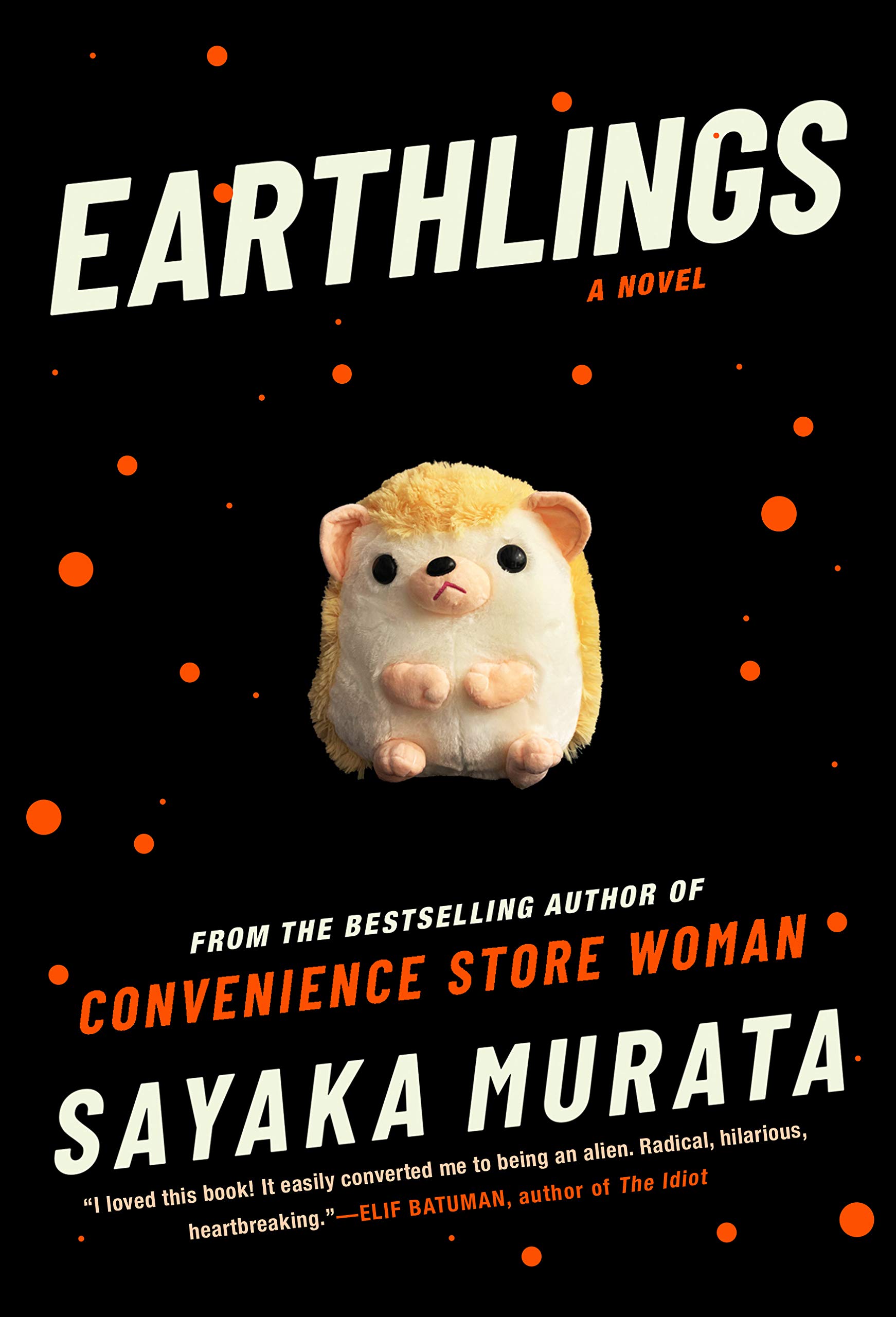
“Normality was contagious, and exposure to the infection was necessary to keep up with it,” explains Natsuki in Sayaka Murata’s Earthlings.

If we accept that “normal” describes what is typical, and thus, what we may expect in any circumstance, then the novels of Murata are themselves not normal.
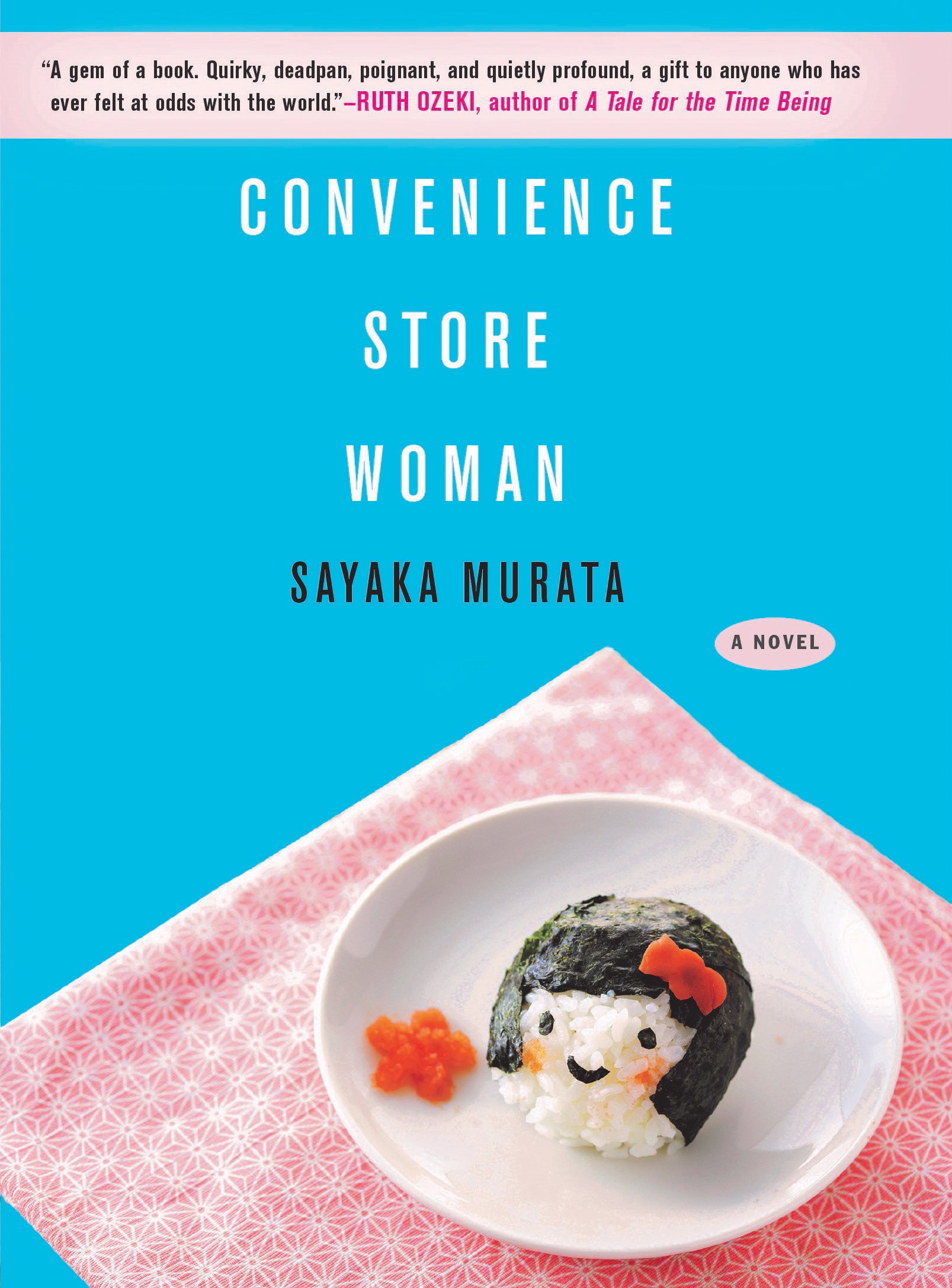
And the central characters in both Earthlings and Convenience Store Woman are certainly not normal either.

Having focused for the last couple of years on fiction in translation (see links below)—prompted in part by my scholarly and personal interest in Haruki Murakami—I think part of the appeal of fiction from other cultures, crafter originally in languages other than my native English, is that the works confront and challenge my perceptions of normal, even though my critical CONTINUE READING: Normality in Sayaka Murata – radical eyes for equity
Wednesday, June 24, 2020
Teacher Tom: A New Better Normal
A New Better Normal